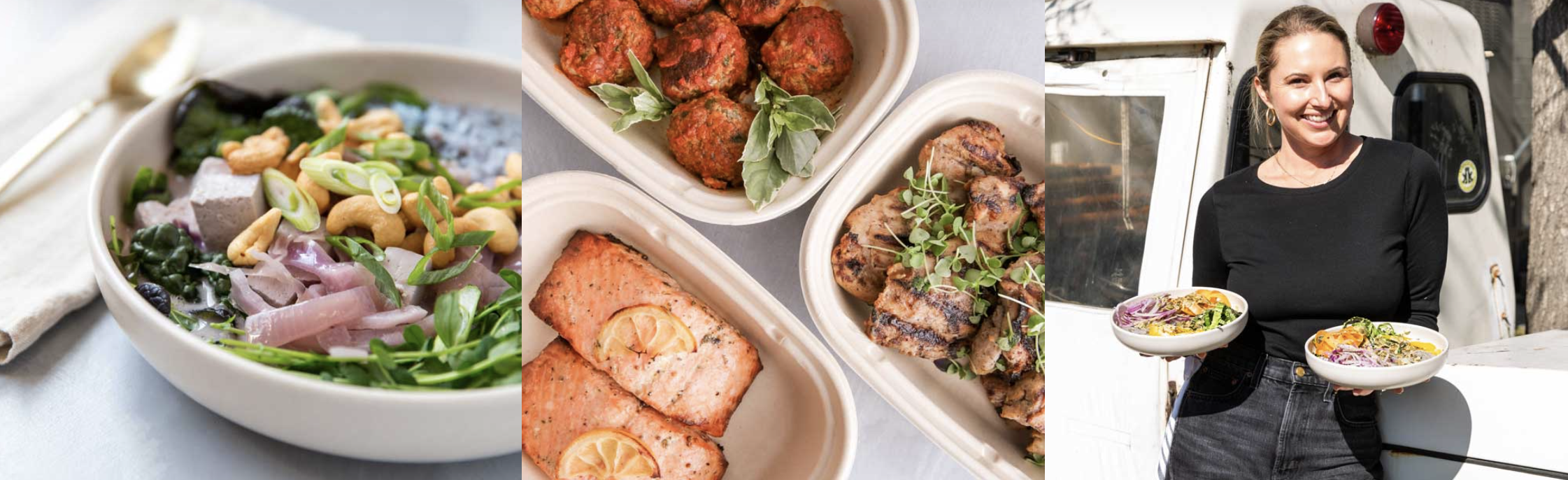
Does San Francisco Farm to Table Dining Taste More Vibrant?
Yes, farm to table dining does taste more vibrant and not just in a subtle way. The difference is something people often notice from the very first bite. Flavors feel brighter, textures feel fresher, and even simple ingredients seem more alive.
But this isn’t just about “fresh food” in a general sense. Many places claim freshness. What makes farm to table San Francisco truly stand out is a combination of geography, sourcing, timing, and cooking philosophy that works together in a very specific way.
So, what exactly creates this noticeable difference in taste? And is it something real, or just perception? Let’s break it down in a clear and honest way.
What Does “Farm to Table” Really Mean in San Francisco?
In San Francisco, farm to table food means getting food from local farmers and serving it quickly. It’s a food culture that’s already well established.
We can understand farm to table food by looking at three things:
- Local sourcing: This means using food from farms nearby, not from faraway suppliers.
- Seasonal cuisine: This is about cooking with what’s available at that time of year.
- Minimal handling: Food is prepared in a way that preserves its quality.
This approach creates a difference from conventional dining. In traditional systems, ingredients travel long distances, are stored for periods, and are often processed before they reach the kitchen.
With farm to table dining in San Francisco, the goal is to reduce this gap as much as possible. When ingredients are used closer to the time they are harvested, they retain more of their flavor, nutrients, and texture. This is where the concept of “vibrancy” begins. It is not a marketing term. It is a result of how the food is sourced and handled.
The Geography Advantage: Why This Region Changes Everything
One of the reasons why farm to table San Francisco stands out is its geography. Northern California has a natural advantage that directly supports this style of dining.
The region offers:
- A mild climate that allows year-round farming.
- Access to both inland and agricultural areas.
- A variety of microclimates within distances.
We have a lot of things to eat all year around because of the way things are here. You can always find vegetables, fruits, herbs and grains somewhere close by. Additionally, being near the ocean means we can get seafood that is caught and prepared quickly.
This mix of food from the land and sea makes for a food system that’s really varied and easy to work with. Plus, we do not have to stick to the old ingredients all the time. Instead we can use what is freshest and best at any given time.
From Harvest to Plate: The Power of Proximity
The way food gets to our plates really affects how it tastes. Usually food goes through a lot of steps: it gets picked, packed, moved, stored and given out. This can take a time even weeks. During this time food starts to lose its flavor, nutrients and moisture. With farm to table, in San Francisco this process is much shorter.
In some cases, produce is harvested within a day or two of being served, ingredients don’t travel distances, storage time is kept to a minimum.
This reduced gap helps preserve the qualities of the ingredient. Natural sweetness remains intact. Textures stay firm. Flavors feel more complete.
Seasonality: The Hidden Reason Food Tastes Alive
Seasonality plays a crucial role in how food develops flavor. When ingredients are grown and consumed in their season, they are able to mature fully.
This results in:
- Ultimate taste.
- Higher nutrient content.
- More natural texture.
In contrast, out-of-season produce is often harvested early and stored for longer periods. It may also be treated to extend shelf life, which can affect both flavor and quality.
In farm to table San Francisco, meals are designed around what’s currently in season. This means menus evolve throughout the year. For example, warmer months often highlight fruits, leafy greens, and lighter ingredients, while cooler months focus on root vegetables, grains, and grounding flavors.
This natural variation ensures that food always feels fresh and relevant. It also prevents repetition, making each meal feel more intentional and complete.
The Chef–Farmer Relationship
A key element of farm to table dining in San Francisco is the relationship between those who grow the food and those who prepare it. Instead of relying on large supply chains, many food providers work closely with local farmers. This creates a transparent and responsive system.
This approach allows for:
- Better understanding of how ingredients are grown.
- Access to higher-quality produce.
- Flexibility in planning meals.
Sometimes, we decide on meals only after selecting the ingredients. It helps us make sure the food is at its best, using what is freshest and most suitable at that moment. For us, this connection to the ingredients is very important. It helps maintain consistent quality and allows us to make the most of seasonal produce.
Cooking Techniques That Preserve Natural Flavor
Even the best ingredients need to be prepared in a way that brings out their flavor. When we cook we try not to overpower the flavors of the ingredients. In San Francisco, where people like to eat food that comes from farms the focus is on cooking in a way that makes the ingredients taste their best.
This often includes:
- Light seasoning of heavy sauces.
- Cooking techniques that retain moisture.
- Minimal processing.
When ingredients are fresh and high-quality, they do not need alteration. Simple preparation allows their natural characteristics to stand out. This approach creates a more balanced taste, where each component of the meal is noticeable and well-defined.
Sustainability and Its Impact on Taste
Sustainability is often associated with responsibility, but it also has a direct impact on flavor. In farm to table San Francisco, many farms follow low-intervention practices.
This results in:
- Healthier soil.
- Better growing conditions.
- More nutrient-dense produce.
When soil is rich and well-maintained, it supports plant growth. This leads to ingredients with more natural flavors. Similarly, responsibly sourced proteins tend to have better texture and overall quality. This connection between sustainability and taste is not always obvious. It plays an important role in creating a more vibrant food experience.
Farm to Table vs. Traditional Dining: Is There a Difference?
To understand the difference clearly, it helps to compare both approaches:
| Farm to Table Dining | Conventional Dining |
| Seasonal ingredients | Often stored or transported long distances |
| Sourced locally from nearby farms | Sourced through large supply chains |
| Menus change frequently | Menus remain mostly fixed |
| Minimal processing | Pre-Processed ingredients |
| Higher nutrient retention | Nutrients may degrade over time |
| Stronger natural flavors | Flavors that may rely on additives or heavy seasoning |
| Transparent sourcing | Visibility into sourcing |
| Supports local agriculture | Supports large-scale distribution systems |
These differences directly influence taste and quality, shorter supply chains and seasonal sourcing allow ingredients to retain their character. Conventional systems often prioritize consistency over freshness.
Final Lines: Is It Really More Vibrant?
The vibrant taste of farm to table San Francisco dining comes from a combination of factors: fresh, local ingredients, a strong connection between farmers and kitchens, seasonal cooking, simple preparation methods, and sustainable practices. Together, these factors create a dining experience that feels more natural, satisfying, and memorable.
As this approach continues to evolve, we see a growing shift toward making farm-to-table quality more accessible beyond traditional dining spaces. At Cooking with Claudine, we follow these same principles by preparing meals in small batches using fresh, seasonal, and carefully sourced ingredients. This allows us to bring the essence of farm to table San Francisco into everyday meals, while maintaining a strong focus on quality, balance, and natural flavor.
This reflects a broader shift in how we think about food today. With a stronger emphasis on both health and taste, this approach continues to set a standard for meals that feel simple, intentional, and truly satisfying.
Contact us now if you want to learn more or explore our weekly meals.
FAQs
1. What is farm to table dining in San Francisco?
Farm to table dining in San Francisco is about using ingredients that are sourced from local places and are in season. These ingredients are prepared fresh and are not processed too much.
2. Why does farm to table food taste better?
The food tastes better because the ingredients are really fresh, they are allowed to ripen and they keep all their nutrients and flavor.
3. Is farm to table dining better than regular dining?
Yes, farm to table dining is often better because it uses good ingredients, it has fewer preservatives and the cooking methods are more balanced.
4. Is farm to table dining more expensive?
It can be more expensive because the ingredients are of quality. However, farm to table dining offers value when you think about the taste and quality.
5. Can you enjoy farm to table meals at home?
Yes, you can enjoy farm to table meals at home. Many meal services now offer farm to table style meals that focus on ingredients that’re in season and sourced from local places.
6. How is farm to table different from food that’s organic?
Farm to table dining is about getting ingredients from local farms and serving them fresh. Organic food is about growing ingredients without using chemicals. They are related but not exactly the same thing.
7. Why is San Francisco known for farm to table dining?
San Francisco is known for farm to table dining because it has a lot of farms and many different kinds of growing regions and people really like food that’s in season and comes from local farms.
8. Does farm to table dining help farmers?
Yes, it definitely helps farmers. Farm to table restaurants get their ingredients from farms, which helps keep local farming going and makes sure the produce is really fresh.
9. Are farm to table meals always seasonal?
Most of the time, yes. Farm to table meals are based on what’s naturally available during a certain time of year so they tend to be seasonal.
10. Is farm to table dining for diets?
Yes, it usually is. The meals are made with ingredients so it is easy to change them to fit different diets and needs. Farm to table dining is an option for people who want to eat healthy food.